Oct 14, 2026
The War That Built Our World
5 min read
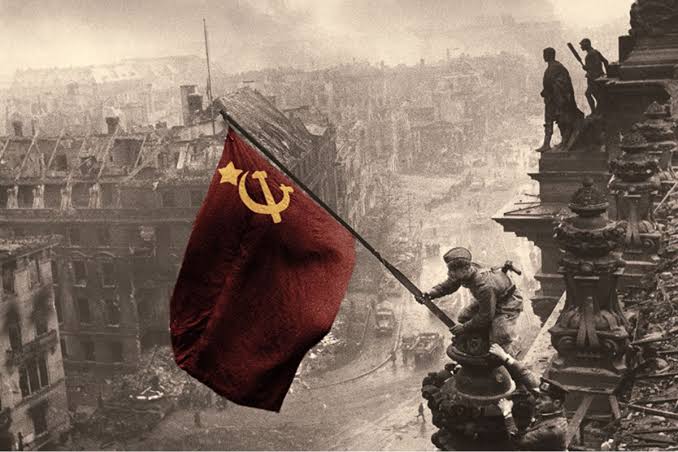
The medicine in your cupboard, the phone in your hand, the freedom of a country that once belonged to someone else. They look unrelated, but they share a parent, and that parent is the deadliest war humanity has ever fought.
We have fought many wars. Mongol horsemen swept across continents. Rome marched and bled for centuries. Napoleon redrew Europe with cannon fire. In India, Ashoka stood on the fields of Kalinga, looked at the dead, and put down his sword for the rest of his life. But nothing matched World War II. Somewhere between 70 and 85 million people died, and every continent was touched. The old world was broken beyond repair, and what rose from the wreckage is the world you live in today.
A Mold on a Dirty Dish
In 1928, a Scottish scientist named Alexander Fleming came back from a holiday and found mold growing on a forgotten dish, with the bacteria around it dead. He had stumbled on penicillin, and for years almost nobody cared. Then the war began. Soldiers were surviving their wounds and dying of infection, and no army can win while its trained men rot in hospital beds. Desperation is the fastest research grant ever invented. Within a few years a laboratory curiosity became a medicine made by the million doses, and by D-Day in 1944 the Allies were ready for their wounded. Blood transfusions and modern trauma surgery were born in the same years.
The Machines That Stayed Secret
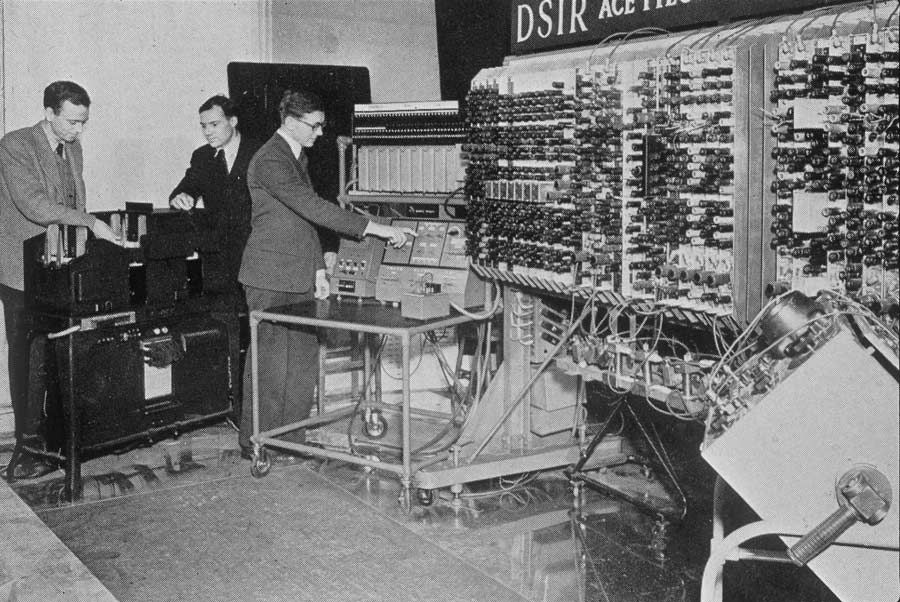
At Bletchley Park in England, engineers built Colossus to break German codes. It was so secret that the world did not learn of it for decades. In America, ENIAC was built to calculate where artillery shells would land. Alan Turing had already asked the question that now haunts us: can a machine think? Nobody in those rooms was dreaming of smartphones. They only wanted to win. But the phone in your hand is their great-grandchild.
The Day the Sun Came Down
On 16 July 1945, in the New Mexico desert, humans set off the first nuclear explosion. Robert Oppenheimer, who led the project, later recalled a line from the Bhagavad Gita that rose in his mind: “I am become Death, the destroyer of worlds.” Three weeks later came Hiroshima and Nagasaki. The same science gave us nuclear energy, but it also gave us something stranger. For the first time, our species could end itself, and every leader since has ruled under that shadow.
The Rocket That Beat Its Own Sound
Germany built the Messerschmitt Me 262, the first jet fighter to fight in a war, and every airliner you have flown on descends from that idea. But the real marvel was the V-2 rocket. It travelled faster than sound, so Londoners heard the blast before they heard it coming. In 1944, a test V-2 became the first human-made object to reach space.
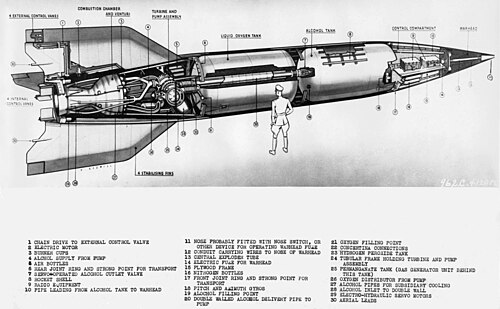
When Germany fell, America and the Soviet Union raced to capture its rocket scientists. The United States brought over Wernher von Braun and more than a thousand German engineers, and their V-2 knowledge became the backbone of NASA’s early rocket research. That path runs straight to the Saturn V, and to Neil Armstrong’s footprint on the Moon in 1969.
A weapon built to flatten cities became the ancestor of the machine that carried us to another world. But there is a grave inside this story. The V-2s were built by prisoners worked to death in underground tunnels, and it is often said that more people died making the rocket than were ever killed by it. Our first steps toward the stars were taken over graves.
The Empire That Ran Out of Money
Britain won the war and lost its empire. It came out exhausted and bankrupt, and in a twist of history it owed India over a billion pounds. The ruler had become the debtor.
India had been fighting for freedom for decades. The Quit India Movement of 1942 shook the Raj, and more than two and a half million Indian soldiers, the largest volunteer army in history, had fought in a war nobody asked them about. A nation that had given that much blood would no longer be ruled, and Britain no longer had the strength or the money to rule it. On 15 August 1947, India became free.
The joy was real, and so was the grief of Partition, which cut a land and millions of lives in two. Across Asia and Africa, colony after colony followed, and within a few decades the age of empires was over.
Peace Kept by Fear
From the ashes came new hopes. The United Nations was born in 1945 so that nations would argue in a hall instead of on a battlefield. The IMF and the World Bank rose to rebuild a shattered economy. But two giants now stood where Germany and Japan had fallen, the USA and the USSR, capitalism against communism. They never fought each other directly, because both owned the atom and the rocket, and together those make the missile. In 1962, over Cuba, the world came within a few decisions of nuclear war. The arms race, the space race and proxy wars from Korea to Vietnam ran for nearly half a century. It was a peace held together by the certainty that war meant the end of everything.
The Bill
War is the cruelest teacher we have ever had. It gave us antibiotics, computers, rockets, the United Nations, and freedom for hundreds of millions of colonised people. It charged 70 to 85 million lives for those lessons. Progress did not arrive as a gift. It arrived as a bill, and one generation paid it on behalf of all of us.
So here is the question I can’t shake. If it took the deadliest war in history to push humanity this far, can we ever grow without a catastrophe behind us? Or are we only brave when we are afraid?